



LaserVision

LASIK at a glance

10 mins

Numbing Eyedrops

None

Up to 30 years

Quick & Painless

What is LASIK Surgery?

LASIK surgery works by gently reshaping the cornea — the clear front surface of the eye — so that light can focus more accurately on the retina at the back of the eye, helping to improve vision.

During LASIK surgery:

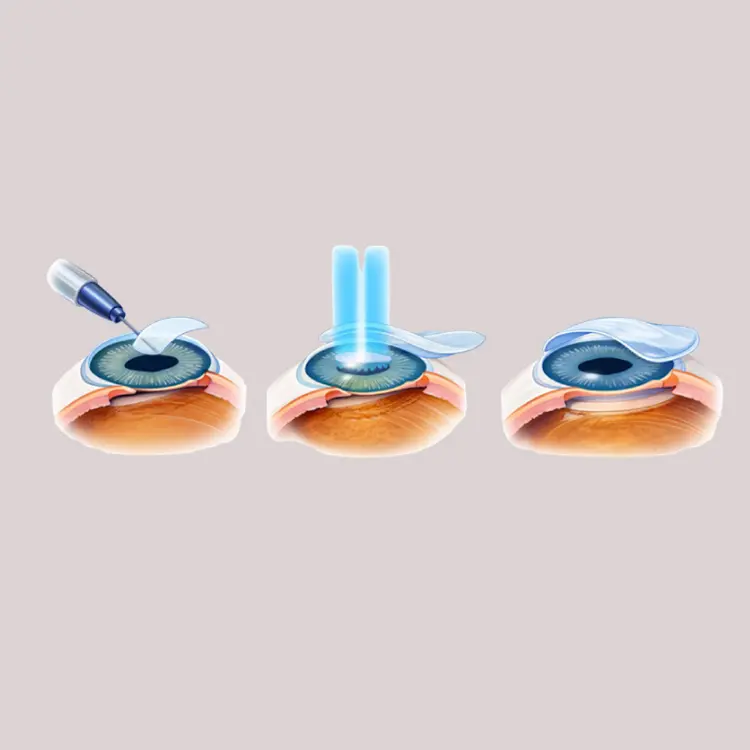
  • A very thin flap is created in the cornea using a femtosecond laser

  • The underlying corneal tissue is precisely reshaped using an excimer laser

  • The flap is carefully repositioned, where it naturally adheres without stitches

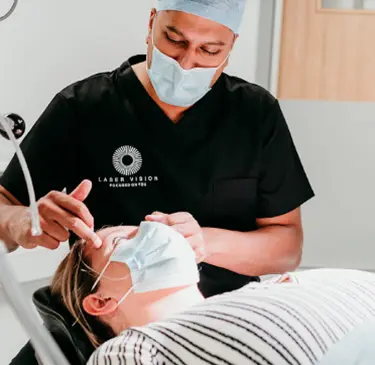
The procedure usually takes only a few minutes per eye and is performed using local anaesthetic eye drops to keep you comfortable.

LASIK is one of the most widely performed refractive procedures. More than 40 million procedures have been performed since its introduction in 1990, contributing to its extensive clinical track record.

lasik eye surgeon

At Laser Vision, we perform LASIK using some of the most advanced laser technology available, including the Schwind Amaris 1050RS excimer laser and the Ziemer Z8 femtosecond laser. This combination allows us to deliver treatment that is exceptionally precise, customised, and designed to achieve the safest and best visual outcome for each patient.

The first step of LASIK involves creating a thin corneal flap. We use the Ziemer Z8 femtosecond laser to create the flap using tiny, rapid pulses of laser energy — without the need for a metal blade. These pulses form microscopic bubbles at a carefully programmed depth within the cornea, allowing the surgeon to create an extraordinarily accurate and uniform flap tailored to your eye.

Because the Z8 operates at low energy and a high repetition rate, it can produce exceptionally smooth, stable flaps. This precision supports strong flap integrity and is associated with rapid visual recovery.

Once the flap is gently lifted, vision correction is carried out using the Schwind Amaris 1050RS, one of the world’s highest-performance laser platforms for refractive and therapeutic corneal surgery.

With a 1050 Hz repetition rate and sophisticated 7D eye tracking, it delivers treatment with exceptional speed and accuracy, continuously monitoring eye movement to maintain precise alignment throughout the procedure. Its ultra-fine laser spot allows for extremely smooth corneal reshaping, helping to optimise both clarity and quality of vision.

By combining the latest femtosecond and excimer laser technologies, our LASIK treatments are designed to be safe, highly accurate, and tailored to your eyes’ unique characteristics.

At Laser Vision, we perform LASIK using some of the most advanced laser technology available, including the Schwind Amaris 1050RS excimer laser and the Ziemer Z8 femtosecond laser. This combination allows us to deliver treatment that is exceptionally precise, customised, and designed to achieve the safest and best visual outcome for each patient.

The first step of LASIK involves creating a thin corneal flap. We use the Ziemer Z8 femtosecond laser to create the flap using tiny, rapid pulses of laser energy — without the need for a metal blade. These pulses form microscopic bubbles at a carefully programmed depth within the cornea, allowing the surgeon to create an extraordinarily accurate and uniform flap tailored to your eye.

Because the Z8 operates at low energy and a high repetition rate, it can produce exceptionally smooth, stable flaps. This precision supports strong flap integrity and is associated with rapid visual recovery.

Once the flap is gently lifted, vision correction is carried out using the Schwind Amaris 1050RS, one of the world’s highest-performance laser platforms for refractive and therapeutic corneal surgery.

With a 1050 Hz repetition rate and sophisticated 7D eye tracking, it delivers treatment with exceptional speed and accuracy, continuously monitoring eye movement to maintain precise alignment throughout the procedure. Its ultra-fine laser spot allows for extremely smooth corneal reshaping, helping to optimise both clarity and quality of vision.

By combining the latest femtosecond and excimer laser technologies, our LASIK treatments are designed to be safe, highly accurate, and tailored to your eyes’ unique characteristics.

Read more
lasik benefits Benefits

Advantages of LASIK for Vision Correction

  • Quick, painless procedure, lasting less than 10 minutes per eye.
  • Rapid results, with patients often seeing well the next day.
  • Clinically proven treatment outcomes – Research indicates that 98% of patients achieve their desired vision after LASIK treatment and complete satisfaction.
  • End-to-end laser technology.
  • Bladeless surgery.
  • No stitches required.
  • Further adjustments can be made in the future to correct vision should the need arise.

How is LASIK eye surgery performed

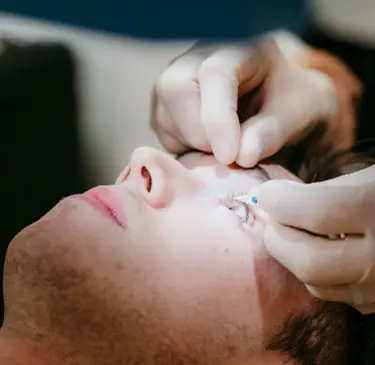
  • 1.Local anaesthetic eye drops are applied to both eyes.
  • 2.The femtosecond laser is used to create a thin flap on the surface of the cornea.
  • 3.The flap is gently lifted.
  • 4.The excimer laser is then used to reshape the cornea. An average 3 diopter treatment needs less than 6 seconds of laser application.
  • 5.The flap is gently replaced and aligned back into its original position.
  • 6.The flap will heal naturally and no stitches are required.
LaserVision-Treatment-LASIK-How
LaserVision-FAQ-Main

LASIK (Laser-Assisted In Situ Keratomileusis) is a well-established laser eye surgery procedure that reshapes the cornea to correct vision problems, reducing or eliminating the need for glasses or contact lenses.

LASIK is commonly used to treat:

  • Short-sightedness (myopia)

  • Long-sightedness (hyperopia)

  • Astigmatism

Suitability depends on your prescription, corneal thickness and overall eye health.

A thin flap is created on the surface of the cornea using a femtosecond laser. This flap is gently lifted, and an excimer laser reshapes the underlying cornea to correct vision. The flap is then repositioned and allowed to adhere naturally without sutures.

The procedure typically takes around 10–15 minutes for both eyes, with the laser itself active for only a few seconds per eye.

LASIK is performed using numbing eye drops, so the procedure itself is not painful. Some patients experience mild irritation or watering for a few hours afterwards, which usually settles quickly.

Most people notice significant vision improvement within 24 hours. Vision continues to stabilise over the following days to weeks. Many patients return to work and normal activities within 1–2 days.

Many patients are legal to drive the next day, provided vision meets DVLA standards at the post-operative check.

Many patients achieve excellent distance vision without glasses. However, normal age-related reading changes (presbyopia) can still occur later in life, which may mean reading glasses are needed in the future.

LASIK provides long-term correction of your existing prescription. While the treated correction is permanent, natural changes in eyesight can still occur over time.

You may be suitable if:

  • You are over 18 years old

  • Your prescription has been stable

  • Your corneas are healthy and of adequate thickness

  • You have no significant eye disease

A detailed consultation is required to confirm suitability.

Yes. Contact lenses can temporarily alter corneal shape. You’ll usually be asked to stop wearing:

  • Soft lenses: around 1 week before assessment

  • Rigid lenses: longer, depending on type

LASIK has a strong safety record, but as with any surgery, risks exist. These can include:

  • Temporary dry eyes

  • Glare or haloes (usually at night)

  • Under- or over-correction

Your surgeon will fully discuss benefits and risks during your consultation.

LASIK has been performed worldwide for over 35 years and is one of the most studied elective surgical procedures. Careful screening and modern laser technology help maximise safety and accuracy.

You’ll use prescribed eye drops for several weeks and attend follow-up appointments to monitor healing. Most patients find aftercare straightforward.

Light exercise can usually resume after a few days. Swimming, contact sports and eye makeup are typically avoided for 1–2 weeks, depending on healing.

Yes, in most cases both eyes are treated on the same day, unless clinical reasons suggest otherwise.

Our focus is on achieving complete satisfaction with your eye conditions through your LASIK surgery. All our patients are treated until discharge as part of the inclusive care plan.

Packages typically include:

  • Pre-operative assessment

  • LASIK treatment

  • Post-operative care and follow-ups for 24 months

  • Enhancement treatment if clinically required

Previous Video

Lasik Eye Surgery Video

Book new consultation

Am I suitable for Laser Eye Surgery?

Book new consultation

Laser Eye Surgery Success Rates

Book new consultation
Next Video

Choosing the right vision correction clinic for your laser eye surgery is paramount. This is a life changing procedure after all, and you need to have complete trust in your eye surgeon and care team of eyecare professionals.

Previous Slide Next Slide

Previous Slide Next Slide
Our Technology

We invest in the latest equipment for laser eye treatment hand chosen by our eye surgeons, so that we can deliver outstanding results with the safest laser surgery possible.

View Technology
Events