





 Getting back behind the wheel is a big milestone, and many patients want to know exactly when driving after cataract surgery becomes safe again.
With vision improving quickly and a new artificial lens replacing the cloudy natural lens, the journey back to clear vision usually happens fast – yet it’s important to follow professional advice so you can drive safely and protect your eye health during the crucial early stages of cataract surgery recovery.
At LaserVision, we know that cataract surgery is one of the most frequently performed procedures worldwide.
With the potential to significantly improve your eyesight, and the cloudy lens that impacts your sight being replaced, it’s not difficult to see why cataract surgery is so popular.
To book your consultation, click here or call 0808 304 5174 today.
Allow us to help you with cataract surgery, so that future risks and complications can be eliminated before they become serious.
Is Cataract Surgery Painful?
To avoid cataract surgery complications and severe pain, we will explain what we are doing during the operation, even though you will not see or feel anything due to anaesthetic eye drops used in conjunction with a mild sedative if required.
How Long Before You Can Drive After Cataract Surgery?
Although most patients notice a rapid improvement in distance vision, blurred vision and light sensitivity can still appear in the first few hours after eye surgery.
Once the local anaesthetic wears off, the eye can feel unusual, and vision may fluctuate while the healing process begins.
You will only be able to drive again once your vision meets the legal driving standards, which is typically at least a week after surgery – though individual circumstances vary.
Some people regain good vision sooner; others may experience temporary blurry vision, reduced depth perception, or limited peripheral vision, especially if only one eye has been treated.
It is imperative that until your visual acuity is at a high level, you do not take any risks by getting behind a wheel, for your safety and the safety of other road users.
When Can You Resume Driving?
You can resume driving once:
- Vision meets the required driving standards
- Your surgeon confirms your eye health is stable
- You feel comfortable and confident to drive safely
- Blurry vision and light sensitivity have settled
- The operated lens inside the eye is healing well
Understanding Your Cataract Surgery Recovery
During your recovery, your surgeon will advise you to use prescribed eye drops or over-the-counter painkillers to ease mild discomfort.
A protective eye shield or plastic shield must be worn while sleeping to prevent infection.
You should avoid heavy lifting, dark areas, and long distances in the very early days as your eyes heal.
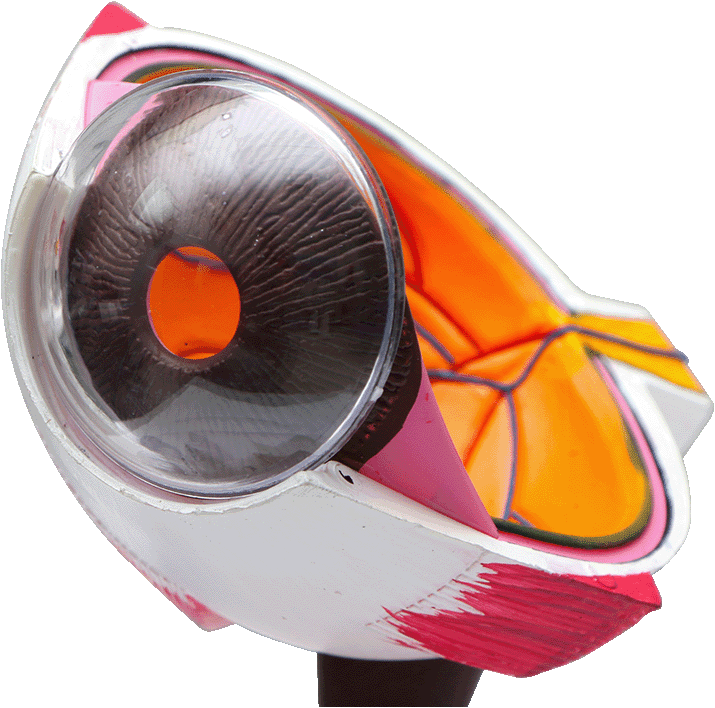
Because cataract treatment uses a small incision and sound waves to remove the old lens, the new intraocular lens 0 or simply new lens – sits comfortably inside the lens capsule.
This means most people resume normal activities, such as watching TV or wearing reading glasses, fairly quickly.
Your Follow-Up Appointment Matters
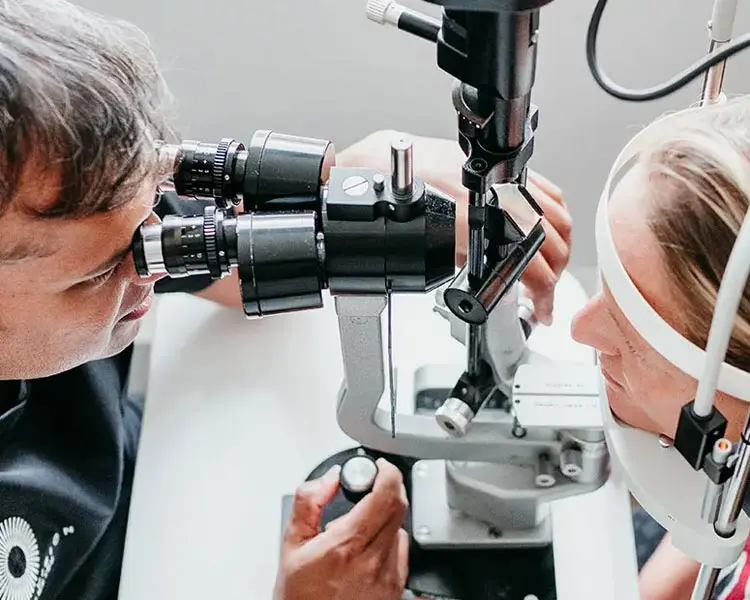
Your surgeon will check your recovery progress at a follow-up appointment or postoperative appointment.
This is when they confirm whether it’s generally safe to drive again.
Expect an eye test, a review of visual acuity, and guidance on whether you may need new glasses, especially if you usually wear glasses or contact lenses.
To book your first consultation, click here or call 0808 304 5174 today!
Where to Find Us
Our clinic is located off Junction 12 of the M27 motorway, adjacent to the Land Rover Garage. (We have plenty of parking spaces available, too)
Our Location:
Prema
Compass Road
North Harbour Business Park
Portsmouth
PO6 4RP