





- Your Questions Answered

- News
Refractive Lens Exchange Pros and Cons
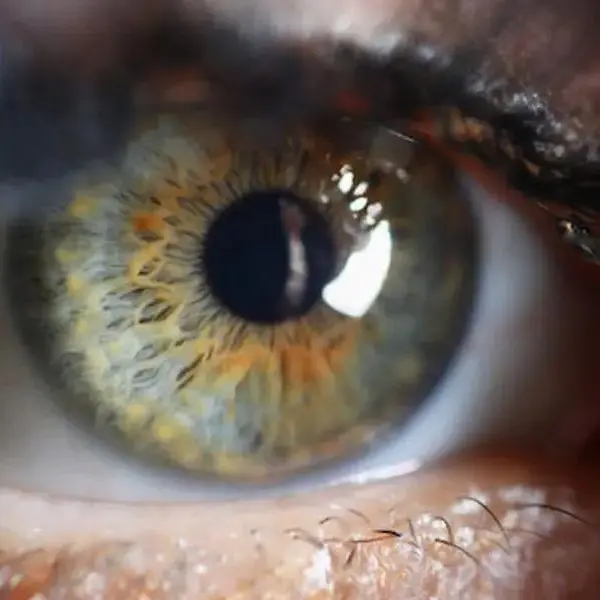
If you are considering freedom from glasses or contact lenses, understanding the refractive lens exchange pros and cons is an important first step, especially if other treatments, such as laser eye surgery, are no longer an option.
The important thing to remember is that, like all vision correction procedures, refractive lens exchange surgery offers many benefits, so why is this one so popular? The simple answer is that the benefits are plenty, albeit there can be some risks. Hence, knowing the pros and cons will prove invaluable in deciding if it is the best option for you.
To get in touch with us at Laser Vision, click here or call 0808 304 5174 today.
What Is Refractive Lens Exchange?
Refractive lens exchange (RLE) is an invasive procedure in which a highly skilled eye surgeon will need to replace your eye’s natural lens with an artificial intraocular lens.
The surgery is more or less identical to cataract surgery, except that it is a permanent solution to vision issues before they become even worse, and cataracts form.
Refractive Lens Exchange Pros
The list of benefits to refractive lens exchange is vast, with each reason making the eye procedure more and more worth the investment.
Here’s a look at the benefits:
Permanent Vision Correction
The best place to start when talking about refractive lens exchange (RLE) is that they provide a permanent correction, as the natural lens is removed and replaced with an artificial intraocular lens.
Reduced Need for Glasses
Another benefit is that once the surgery has been completed, you will no longer need to wear glasses for everyday tasks. Depending on the type of artificial lens selected, some patients may still require reading glasses for specific activities. This will all need to be clarified prior to the procedure.
Prevention of Future Cataracts
The surgery eliminates the potential of cloudy vision and the need for cataract surgery.
How? Well, the natural lens is impacted by age, which has no bearing on something that is man-made.
Suitable for More Patients
Unlike laser vision correction, refractive lens surgery can be suitable for patients with thin corneas, higher prescriptions, or certain vision issues.
Better Vision Quality
With a few different types of intraocular lens options available, your chances of better vision quality are a given. Ultimately, it depends on how advanced you want to go and what vision issues you are trying to target. Plus, astigmatism correction can also be incorporated into treatment where appropriate.
Relatively Quick Recovery
Most patients return to their normal daily routine within 24-48 hours; however, for the full benefits of the surgery, it can take 2-4 weeks, depending on how quickly your eyes adjust.
Refractive Lens Exchange Cons
As great as the pros are, and there are many, refractive lens exchange surgery is not without its considerations.
Potential Risks
As with any eye surgery, there are potential risks, especially if not performed by a highly experienced eye surgeon.
These include:
- Infection
- Inflammation
- Reduced contrast sensitivity
- Vision loss in very rare cases
- Retinal detachment
When dealing with any eye surgery, retinal detachment is considered the most serious complication. However, this remains extremely uncommon when patients are appropriately assessed and the procedure is performed well.
Initial Expense
The procedure is not cheap, at around £4200 per eye when you consider the cost of glasses or contact lenses. Yet, many patients tend to feel the long-term benefits outweigh the initial expense. Also, it is worth checking whether your health insurance covers the cost.
Who Benefits Most from Lens Exchange?
The beauty of refractive lens exchange (RLE) is that it is suitable for any patient looking to improve their vision. Ultimately, it is a decision that needs to be made between you and your eye surgeon once they assess your vision and ensure it is the best option for you.
Refractive lens exchange is often suitable for:
- Patients with long-sightedness
- Those developing cataracts
- People seeking an ultimate solution to vision correction
- Patients unsuitable for laser eye surgery
- Individuals wanting freedom from glasses or contact lenses
As mentioned above, your eye surgeon will be the best judge of whether or not you need refractive lens exchange. However, usually, younger patients with healthy eyes may sometimes be better suited to other vision correction surgery options.
Setting Realistic Expectations
This may be the most important thing to remember with any vision correction procedure, as results can vary from person to person, procedure to procedure. While refractive lens exchange can significantly improve vision, achieving optimal vision depends on several factors, including eye health, prescription, and lens selection.
Refractive Lens Exchange Pros and Cons: Final Thoughts
When weighing up the refractive lens exchange pros and cons, many patients find the benefits compelling. Permanent vision correction, freedom from corrective lenses, improved vision quality, and elimination of future cataract development make it an attractive option.
However, understanding the potential risks and costs is equally important. That’s why, at Laser Vision, we cannot stress enough the importance of having an expert talk you through it all and help you with your final decision regarding the procedure.
Click here or call 0808 304 5174 today to speak to us at Laser Vision, and visit our state-of-the-art Prema complex in Portsmouth, where we can do all the necessary tests you need.
Reviews


0% APR FINANCE
We offer 0% APR* finance for up to 36 months. To find out more information about which treatments are available with 0% APR finance, contact us today.
*subject to status
*minimum age applies
*only available to UK residents aged 18 and over


At LaserVision, we focus on you. Each consultation, treatment, procedure and aftercare plan is specifically tailored to your needs and requirements so you can rest assured you are getting the best treatment for you.
Laser Vision Limited is authorised and regulated by the Financial Conduct Authority and is the broker and not the lender. Our FCA registration number is 805270. Laser Vision Limited offers credit products from Secure Trust Bank PLC trading as V12 Retail Finance. Credit is provided subject to affordability, age and status. Minimum spend applies.
Please submit a compliment, concern, or complaint to: [email protected]. Every observation is an opportunity for our team to improve the quality of our patient care.
Sign up to our newsletter to receive updates
About
Our Patients
For Doctors
Office
LaserVision Ltd
Prema,
Compass Road
Portsmouth, PO6 4RP
United Kingdom
Company number 07313135
Contact Us
At LaserVision, we focus on you. Each consultation, treatment, procedure and aftercare plan is specifically tailored to your needs and requirements so you can rest assured you are getting the best treatment for you.
Laser Vision Limited is authorised and regulated by the Financial Conduct Authority and is the broker and not the lender. Our FCA registration number is 805270. Laser Vision Limited offers credit products from Secure Trust Bank PLC trading as V12 Retail Finance. Credit is provided subject to affordability, age and status. Minimum spend applies.
Please submit a compliment, concern, or complaint to: [email protected]. Every observation is an opportunity for our team to improve the quality of our patient care.
Sign up to our newsletter to receive updates
- © Copyright 2026
- Privacy
- Complaints
- Modern Slavery
- Sitemap
- Carbon Reduction Plan
 Site by Blow Media