




- Glaucoma

ELIOS – Excimer Laser Trabeculostomy


- Treatment
- Glaucoma
ELIOS – Excimer Laser Trabeculostomy
ELIOS (Excimer Laser Trabeculostomy) is an innovative, minimally invasive laser treatment designed to help reduce intraocular pressure (IOP) in patients with glaucoma. Using precise excimer laser technology, ELIOS improves the natural drainage of fluid from the eye, helping to protect the optic nerve from further damage.
At Laser Vision, our specialist ophthalmic surgeons offer personalised glaucoma care, using advanced treatment options to manage eye pressure effectively. ELIOS may provide a suitable alternative or complement to traditional glaucoma treatments, depending on individual clinical needs.
What is ELIOS – Excimer Laser Trabeculostomy?
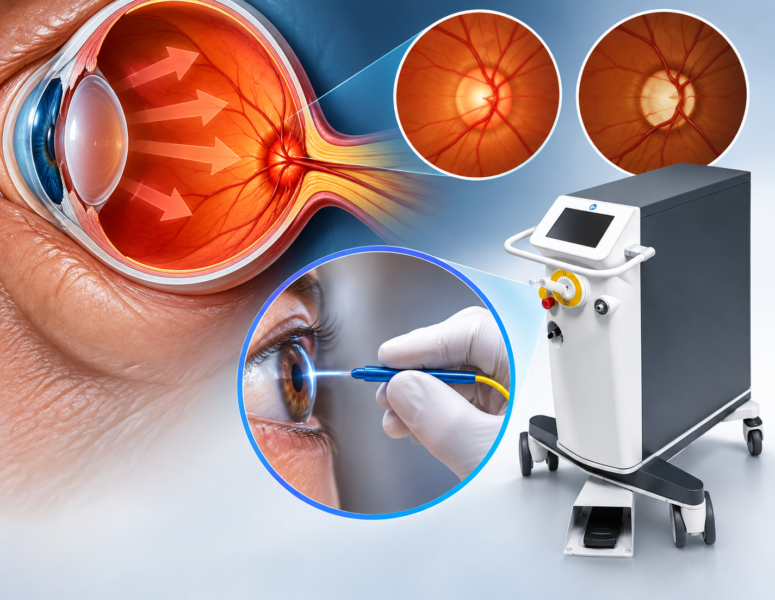
ELIOS is a minimally invasive glaucoma treatment that uses an excimer laser to create tiny openings in the eye’s trabecular meshwork, the tissue responsible for regulating fluid drainage. By improving the flow of aqueous humour through the eye’s natural drainage system, the procedure aims to lower intraocular pressure and reduce the risk of further optic nerve damage.
Glaucoma is a progressive eye condition commonly associated with elevated eye pressure, which can lead to irreversible vision loss if left untreated. ELIOS offers a targeted approach to pressure management without requiring the implantation of a drainage device.
The procedure is generally considered for patients with open-angle glaucoma and may be performed alongside cataract surgery in suitable cases. Its minimally invasive nature means that it typically involves less disruption to surrounding eye structures than traditional glaucoma surgery.
At Laser Vision, a comprehensive glaucoma assessment helps determine whether ELIOS is appropriate for each patient’s condition and long-term visual health.
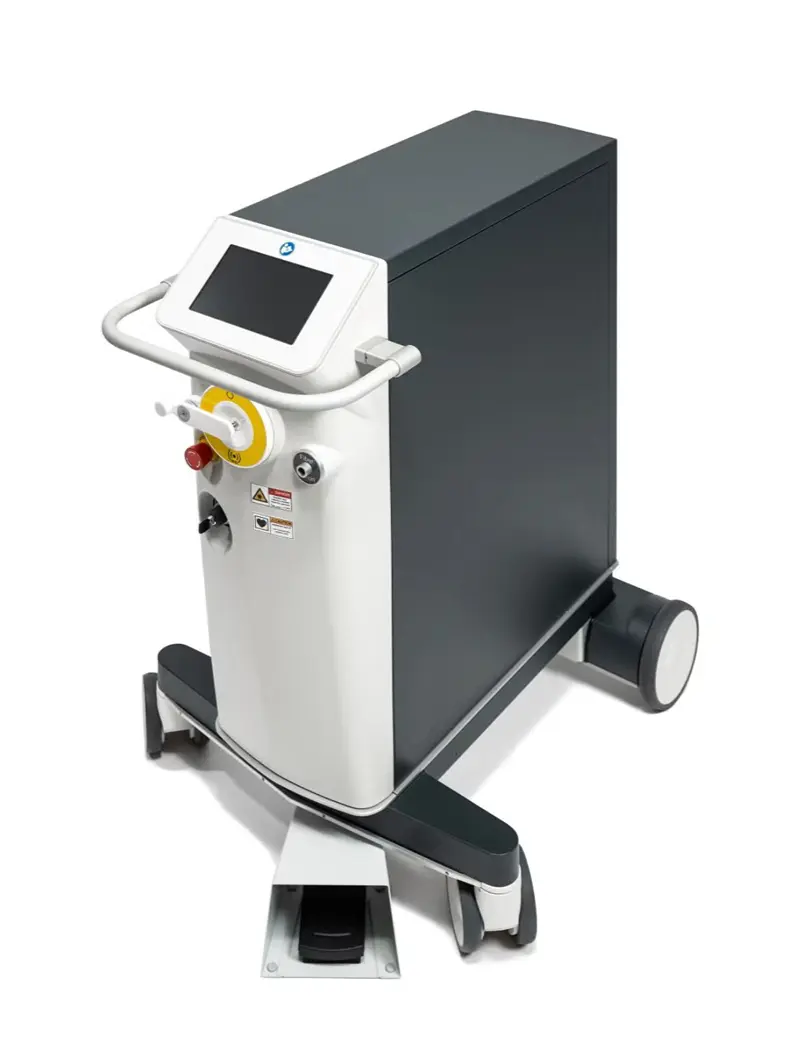
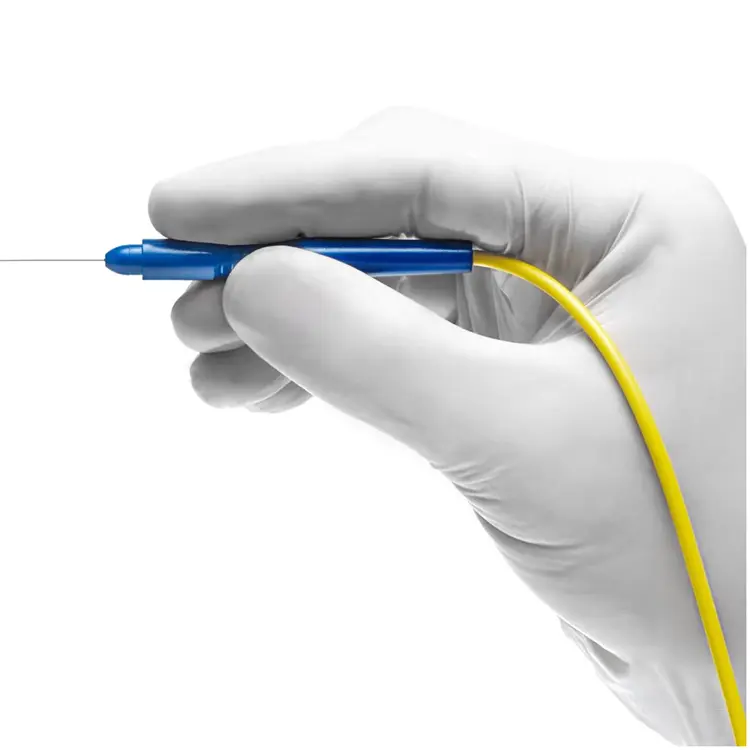
ELIOS uses a specialised excimer laser to create microscopic channels through the trabecular meshwork, allowing fluid to drain more effectively from the eye. Unlike treatments that rely on thermal energy, the excimer laser removes tissue with minimal heat transfer to surrounding structures.
The procedure is performed from inside the eye through a small corneal incision, under local anaesthesia. It may be carried out as a standalone intervention or combined with cataract surgery, where clinically appropriate.
Although ELIOS can help reduce eye pressure, it does not cure glaucoma or restore vision already lost. Regular monitoring remains essential to assess treatment effectiveness.

How is it performed?
- 1.Preparation: Local anaesthetic is administered to numb the eye and ensure patient comfort.
- 2.Accessing the drainage system: The surgeon makes a small corneal incision to access the trabecular meshwork.
- 3.Laser application: The excimer laser creates a series of microscopic openings in the trabecular meshwork to improve fluid outflow.
- 4.Completion: The surgeon checks the treated area and eye before completing the procedure.
- 5.Recovery and aftercare: Patients receive postoperative eye drops and attend follow-up appointments to monitor healing and intraocular pressure.