




- Your Questions Answered

- News
What Is the Difference Between PTK and PRK Eye Surgery?
When researching laser eye surgery, many people ask, what is the difference between PTK and PRK eye surgery? While both procedures use an excimer laser and treat the surface of the cornea, they are designed for different purposes.
Phototherapeutic Keratectomy (PTK) is designed to target more superficial corneal disorders and is a relatively quick procedure designed to improve vision. Photorefractive Keratectomy (PRK) is performed to improve the shape of the cornea.
Understanding the key differences can help you choose the most appropriate treatment for your vision and eye health.
To get in touch with us at Laser Vision to ask about treatments, click here or call 0808 304 5174 today.
What is PTK eye surgery?
Phototherapeutic Keratectomy (PTK) is a laser treatment which treats conditions such as:
- Corneal scars
- Superficial scars
- Corneal opacities
- Corneal dystrophies
- Recurrent corneal erosion
- Corneal haze
The PTK procedure removes damaged corneal tissue from the corneal surface, helping improve comfort and, in many cases, vision. It’s a relatively simple procedure for a talented eye surgeon, although it may feel scary at first.
What is PRK eye surgery?
Photorefractive Keratectomy (PRK) aims to reshape your cornea to achieve a more significant level of vision correction.
Unlike PTK, PRK eye surgery treats common refractive errors, including:
- Short-sightedness
- Long-sightedness
- Astigmatism
By reshaping the cornea, PRK helps light rays properly focus on the retina, providing clearer vision and reducing dependence on glasses or contact lenses. For such a laser vision correction procedure, your eye surgeon will need to do some tests to make sure the treatment is right for you.
How are PTK and PRK performed?
The key point to both the PRK and PTK treatments is that they are both relatively quick procedures performed using a numbing cream.
In addition, it takes around 5 minutes or less to treat per eye; patients can expect long-term results and a relatively quick recovery.
The similarities do not end there, as the treatment itself is performed in a practically identical manner, with the only difference being the aim of the eye surgery.
PTK is designed to remove the glassy outer layer from your cornea, while PRK aims to reshape your cornea.
Unlike LASIK or LASIK-S, neither PTK nor PRK involves creating a corneal flap, making them suitable for some patients with thinner corneas.
Recovery after PTK and PRK
As previously mentioned, both PTK and PRK have a relatively quick healing period, which may surprise most patients. However, there are some minor discomforts you may have to endure, which include:
- Blurry vision
- Light sensitivity
- Mild discomfort
- Temporary reliance on preservative-free artificial tears
- Regular eye drops
The initial downtime for both treatments is around 3 days, but full visual recovery from PRK surgery often takes several weeks.
PTK recovery is a little more unclear at first because it depends on the underlying eye condition being treated rather than vision correction alone.
The good thing is that a rough timeline for recovery can be explained in more detail during your initial consultation before any treatment begins.
Which procedure is right for you?
Deciding on which treatment procedure is right for you is a little more complex when it concerns your eye health. The best treatment depends on your diagnosis.
So, when you go through your consultation, your eye surgeon will determine whether to opt for PTK or PRK.
During your consultation, your surgeon will assess:
- Corneal thickness
- Overall health
- Vision problems
- Eye health
- Refractive errors
- Medical history
They will then recommend the most appropriate refractive surgery option for your needs. Ultimately, as the expert, your eye surgeon will opt for the right laser eye procedure designed to help your case, and explain the healing process that goes with it.
Book a consultation at Laser Vision.
If you’re unsure whether PTK or PRK is right for you, our experienced team at Laser Vision can make your life a lot easier by guiding you to the right option.
We will explain both procedures in detail, answer your questions and recommend the most suitable laser eye procedure based on your individual eye health, vision goals and lifestyle.
What’s more important is that if neither treatment is suitable for your condition, other refractive surgery methods or alternatives can be suggested to correct common vision problems.
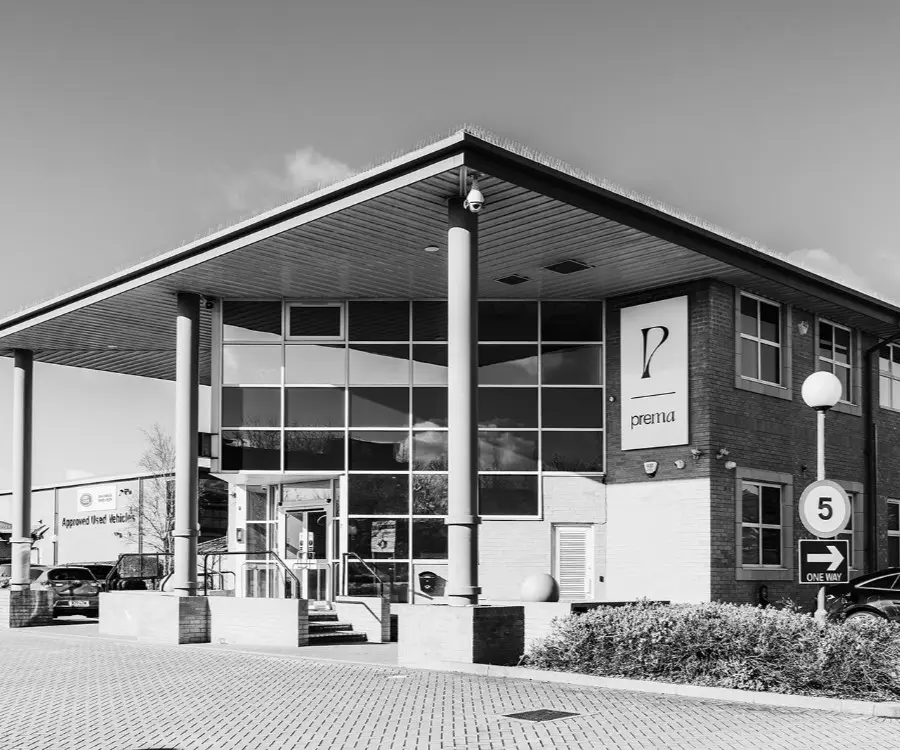
Click here or call 0808 304 5174 today to speak to us at Laser Vision, and visit our state-of-the-art Prema complex in Portsmouth, where we can do all the necessary tests you need.
Reviews


0% APR FINANCE
We offer 0% APR* finance for up to 36 months. To find out more information about which treatments are available with 0% APR finance, contact us today.
*subject to status
*minimum age applies
*only available to UK residents aged 18 and over


At LaserVision, we focus on you. Each consultation, treatment, procedure and aftercare plan is specifically tailored to your needs and requirements so you can rest assured you are getting the best treatment for you.
Laser Vision Limited is authorised and regulated by the Financial Conduct Authority and is the broker and not the lender. Our FCA registration number is 805270. Laser Vision Limited offers credit products from Secure Trust Bank PLC trading as V12 Retail Finance. Credit is provided subject to affordability, age and status. Minimum spend applies.
Please submit a compliment, concern, or complaint to: [email protected]. Every observation is an opportunity for our team to improve the quality of our patient care.
Sign up to our newsletter to receive updates
About
Our Patients
For Doctors
Office
LaserVision Ltd
Prema,
Compass Road
Portsmouth, PO6 4RP
United Kingdom
Company number 07313135
Contact Us
At LaserVision, we focus on you. Each consultation, treatment, procedure and aftercare plan is specifically tailored to your needs and requirements so you can rest assured you are getting the best treatment for you.
Laser Vision Limited is authorised and regulated by the Financial Conduct Authority and is the broker and not the lender. Our FCA registration number is 805270. Laser Vision Limited offers credit products from Secure Trust Bank PLC trading as V12 Retail Finance. Credit is provided subject to affordability, age and status. Minimum spend applies.
Please submit a compliment, concern, or complaint to: [email protected]. Every observation is an opportunity for our team to improve the quality of our patient care.
Sign up to our newsletter to receive updates
- © Copyright 2026
- Privacy
- Complaints
- Modern Slavery
- Sitemap
- Carbon Reduction Plan
 Site by Blow Media